28 November 2026
Man down alarm alerts: what they detect and how teams respond
Presented by @theloneworker
A man down alarm is built around a simple safety question: has a worker stopped moving in a way that could mean they need help? For teams with people working alone or in isolated parts of a site, that question matters. A worker may be conscious but unable to reach a phone, or they may have had a fall and cannot call out. The alarm is there to turn a change in movement into an alert someone else can act on.
The term is often used alongside SOS buttons, GPS location, two way voice and fall detection. Those features can overlap, but they are not the same thing. A person can press an SOS button when they know they need help. A man down alert can be raised without a button press, based on signs such as a sudden impact, a period of no motion, or a body position that suggests the wearer has gone down. Understanding that difference helps safety teams set expectations and choose the right response process.
What the alarm is meant to catch
The basic purpose is to identify a possible incident when the worker cannot report it. That can include a fall, a collapse, a trip in a quiet area, or a medical event that leaves someone on the ground. Some wearable devices are designed to be carried or worn where movement can be monitored, such as on the body or as part of a safety accessory. The exact detection method depends on the equipment and how it is used.
Motion based detection usually looks for a pattern. There may be a sharp impact event followed by stillness. There may be no motion for a set period. Some systems also consider orientation, such as a worker remaining horizontal when they would normally be upright. Each clue has limits. Sitting down for a long period, leaning over a desk, working in a vehicle, or resting during a break can look similar to a real incident unless the device is configured and worn as intended.
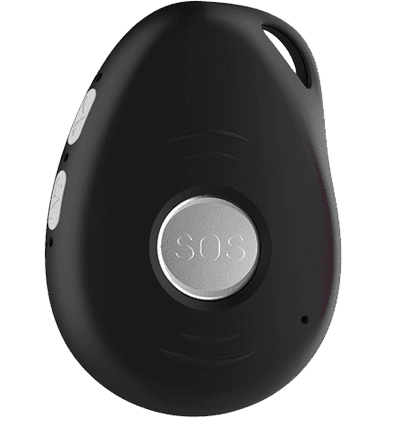
A fall detection device can be useful precisely because it does not rely on the worker making a clear decision at the moment of need. In a genuine emergency, people can be confused, injured, or unable to speak. Automated alerts remove that barrier. They also create a new responsibility: someone has to receive the alert, judge what is happening, and take sensible action.
How an alert usually moves through the system
While the exact flow varies by product and setup, the basic path is straightforward. The wearable senses a possible fall or extended stillness. It checks whether the pattern meets the alert rules. If it does, it sends a notification to a chosen contact, monitoring service, or response point. That notification may include identifying details and location information where the system provides it. Two way voice, where available, can help the responder speak with the worker and confirm what has happened.
Alert delay is one part of this flow that deserves attention. A short delay can reduce false alarm triggers by giving the wearer time to stand up or cancel an alert. A longer delay may suit some work settings but can slow help if the worker is genuinely hurt. There is no single setting that suits every role. A person moving through a busy warehouse faces different conditions from someone inspecting a remote track or working in a plant room. The right balance depends on the work, the environment, and how quickly help can arrive.
Location detail also changes the value of the alert. A notification that says a worker may have fallen is useful. A notification that also gives a current GPS position is more useful when the worker cannot speak. GPS performance can be affected by buildings, terrain, weather, and device placement, so location should be treated as a practical aid rather than a perfect fix. Two way voice can fill some gaps by letting a responder hear background sounds or ask short questions.
What it means for workplace safety teams
For safety teams, a man down alarm is only one part of a wider response chain. Detection is the first link. After that comes triage, communication, and physical response. If nobody is watching alerts, or if the contact list is out of date, the technology has little practical value. The same applies if responders are unsure what to do when an alert arrives.
A workable process should make the first few minutes clear. Who receives the alert? How is a missed notification handled? What information should be gathered before someone is sent? When should emergency services be called? If two way voice is available, who speaks first? These questions sound basic, but they prevent confusion during an incident. A calm responder who follows a known process is more effective than a group reacting in different directions.

Teams should also think about the difference between an alert and a confirmed emergency. A fall detection device may produce a false alarm, especially if a worker is bending, crouching, riding in a vehicle, or deliberately resting. False alarms are frustrating, but treating every alert as irrelevant is risky. A sensible approach is to verify quickly where possible, while recognising that silence is not always reassurance. If contact cannot be established, the response should be guided by the worker's location, the task, and the level of risk.
Training helps people use the system without turning it into a nuisance. Workers need to know where the device sits on the body, what movements may affect detection, how to cancel an accidental alert, and what happens after an alert is sent. Supervisors and emergency contacts need a different kind of training. They need to understand what the notification can and cannot tell them, how to use location and voice features, and when to escalate.
Where judgement still matters
Automated detection can flag a possible problem, but it cannot understand context on its own. A worker lying down during a planned task may be safe. A worker who has not moved for a short time may be concentrating, resting, or in trouble. The alert is a prompt to check, not a final diagnosis. That is why man down features work best when paired with clear work practices, such as check-in routines, buddy systems where suitable, and agreed response steps.
There are also privacy and trust considerations. Wearables that monitor movement and location can feel intrusive if workers do not know why they are being used. Clear communication helps here. Explain what the device is for, what data it may send during an alert, who receives it, and what it is not used for. When people understand the purpose, they are more likely to wear the device correctly and report problems with it.
New Zealand workplaces can vary widely, from urban sites to remote outdoor work. That variety affects the practical value of a man down alarm. In a place where a worker can be seen or heard quickly, a fast check may be enough. In a remote area, the same alert may require a longer response and more careful planning. The device should support the safety plan, not replace it.

When reviewing options, it helps to compare how alerts are triggered, how they are delivered, what contact options exist, and how easily workers can use the device during normal duties. A system with many features is not automatically better if the alert process is confusing. A simpler setup that people understand and respond to consistently can be more valuable.
Ultimately, the point of a man down alarm is to shorten the gap between a worker being in trouble and someone knowing about it. That only happens when detection, notification, and response are aligned. For safety teams, the practical task is not just choosing a device. It is making sure the alert leads to a clear, timely, and appropriate action.